
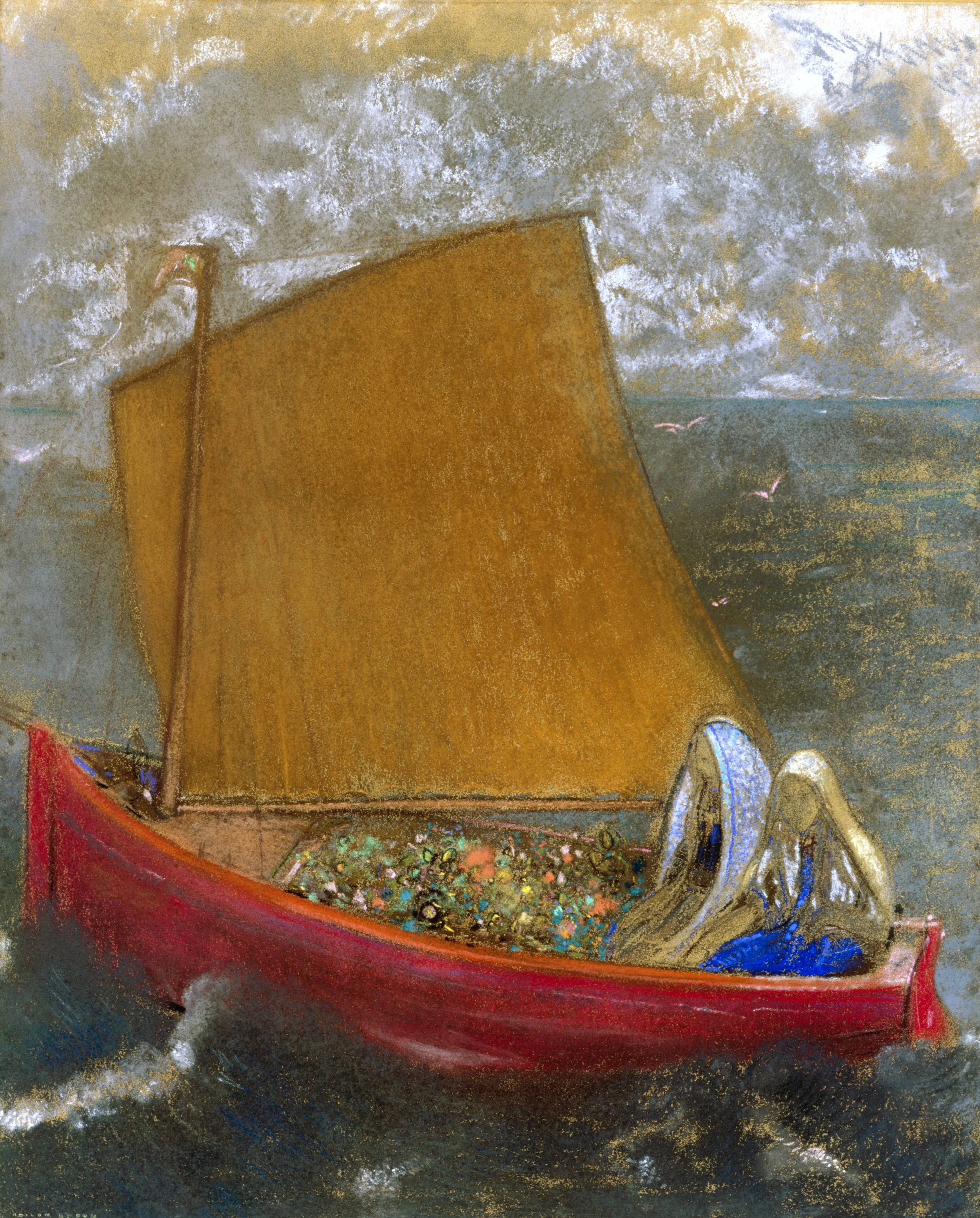
How we reconnect you to the power of your imagination…
Receive.
Let images and places into your awareness. Let yourself encounter what emerges.
Respond.
Let it course through you. Stay with the experience and discover where it leads.
Integrate.
Let it out. View your own stories with the distance needed for change.
Repeat.
Recognise that imagination is always at work. Life is a waking dream, and this realisation can bring us into presence and possibility.
Experience the story.
Notice what it reveals.
Discover what might become possible.
Waking dreaming
Experience the language of psyche through waking dreaming. Learn through story.
Developed by Allan Frater and influenced by Jungian active imagination, waking dreaming is a facilitated imaginal dreaming practice.
You stay awake and aware while entering a receptive, dreamlike state. Images, scenes, sensations, characters and atmospheres can arise much as they do in sleeping dreams. We follow what emerges together, allowing you to experience the story as it unfolds.
For those with a theatre background, you might think of it as an imaginal echo of Jacques Lecoq’s embodied neutral mask work: in the doing is the knowing.
The experience itself comes first.
A waking dream can be as visually, emotionally and physically vivid as a sleeping dream. Afterwards, we talk about what you experienced, allowing insight, connections and meaning to emerge.
As one story comes into view, another can become possible. We work with the stories of who you are, allowing them to meet, coexist, shift or make space for something new.
Common Questions:
-
Waking dreaming is a facilitated imaginal practice inviting you to experience your inner landscapes in real time. In a relaxed, lightly meditative, hypnogogic state—eyes open or closed—you speak aloud the images, sensations, and symbols that arise. Your facilitator mirrors, gently inquires, and helps you stay present to whatever emerges. Together, we follow the thread of imagination without forcing direction or meaning.
Think of it as immersive story‑making where the story writes itself as you tell it.
Key Features:
Sense‑Based – engages visual, sensory, auditory and and somatic embodiment as opposed to analysis.
Somatic – honours body cues (breath, tension, warmth) as part of the narrative.
Non‑Directional – inner imagery is followed rather than directed.
Relational – the facilitator’s presence provides a safe container and reflective lens.
-
Yes. In groups, this work takes the form of co-dreaming sharing imagery and experience in first person somatic storytelling. The group dream as one exploring a singular first person narrative as a group. Surrendering to the group’s imagination we travel together to different worlds.
This can foster connection, creativity, and a sense of collective meaning making. -
This is not a problem. I have worked with a number of people who find it difficult to hold images in the minds eye. Sometimes other senses are an easier ‘way in’ to this dimension that can then be explored with more of the senses. Clients report a strengthening of imagery outside of the sessions both in waking and dreaming states.