
You are already imagining
Every day you interpret. You remember. You anticipate. You make connections. You imagine scenarios, attributing a greater or lesser possibility that they will happen.
Your imagination is involved in all of it.
It draws on what you have experienced: family and upbringing, education and work, relationships, culture, stories, expectations and memories. It helps organise what you notice, what you remember and how you experience the world around you.
You are an artist.
Your experiences form your palette. Your imagination works with them, transforming what you encounter into ways of seeing, sensing and relating.
What happens when you begin to notice the artist at work?
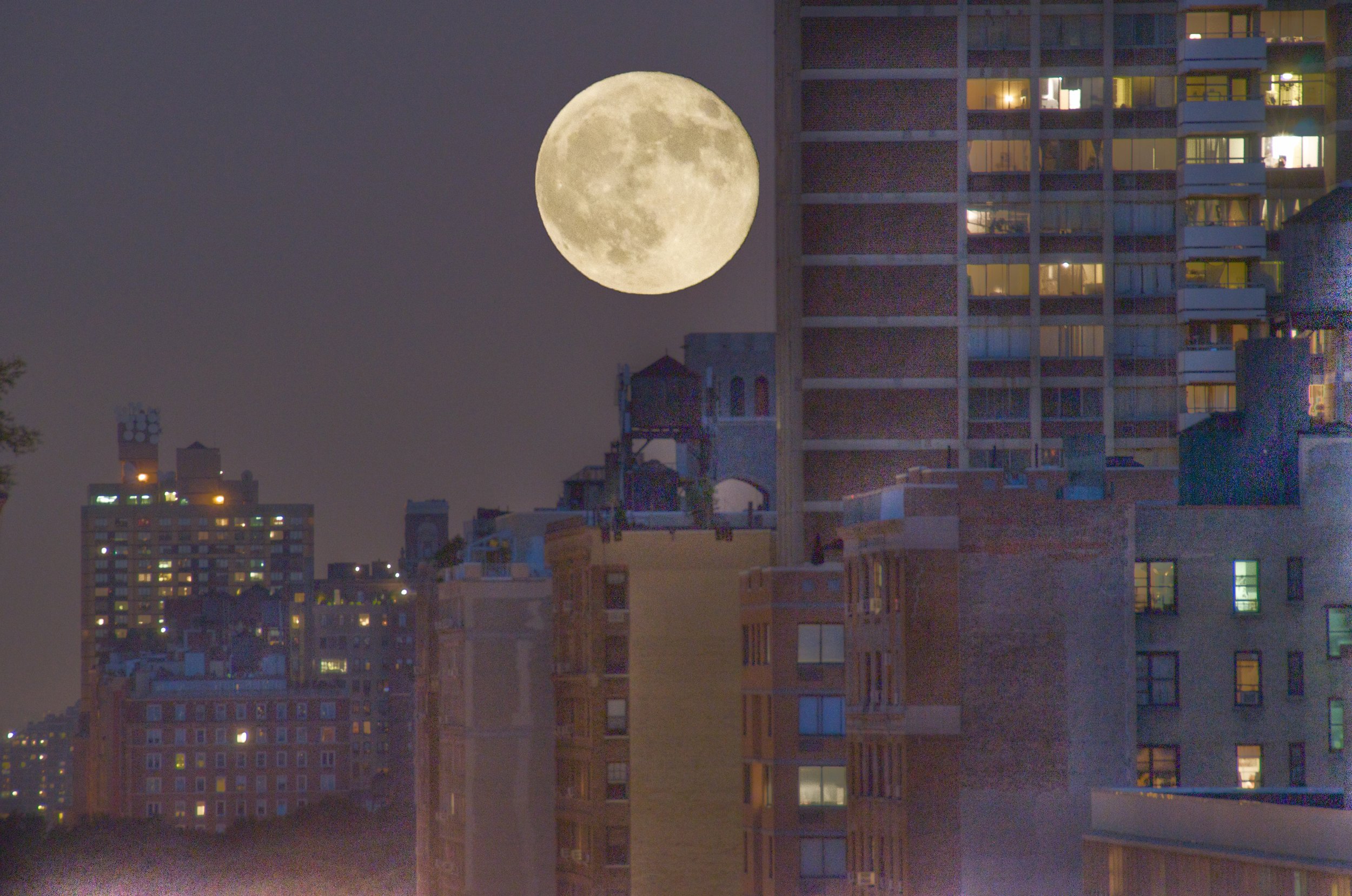
What’s on your palette?
Like a painter, you are always working with a palette.
Some of the colours come from the people and places you have known. Some from the stories you have inherited, the expectations you have absorbed and the ways you have learned to see yourself and the world.
What if you have been painting with the same few colours for years?
Reconnecting with your imagination begins with noticing what you have been creating from.
Noticing the stories.
Noticing what you have come to expect.
This in itself can be transformative. As we exercise our imagination, we can begin to recognise patterns in ourselves and others that may have been shaping our experience for years. Waking dreaming can be a powerful and beautiful way to do this, because it gives us the chance to experience those patterns rather than just think about them.
And then we can get curious.
What else is out there?
If you have never really looked down at your palette, you may not realise how few colours you have. You may not know there are other pigments, other surfaces, other ways of painting.
Maybe now you would like to find out...
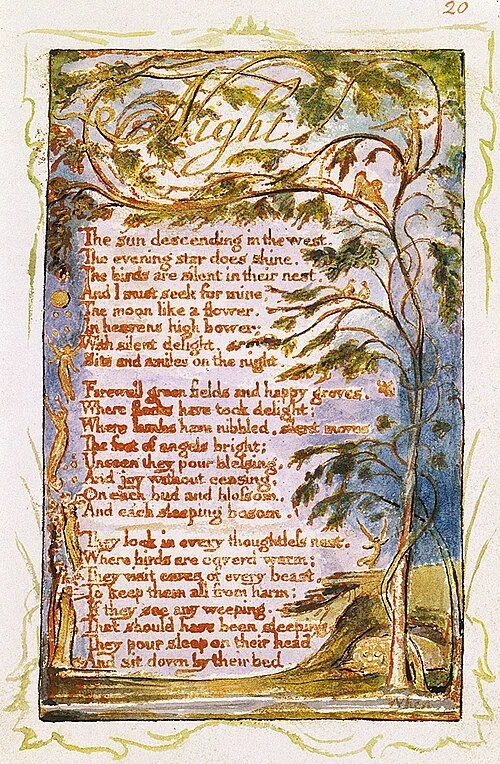
"The moon, like a flower in heaven's high bower, with silent delight sits and smiles on the night"
Night, Songs of Innocence, William Blake
What else might be there?
Imagination gives us a way to encounter ourselves and the world more expansively, with the opportunity to transform our experience of the everyday into something we hadn’t seen before, something new, surprising, even something more meaningful.
Artists present experiences to us in the form of image, story, movement or music. When they share, there is a further imaginative encounter. With us.
For example, when you read a novel, the author gives you the words and story. You co-create a world from them. You bring its characters to life, see its places and experience its atmosphere through your own imagination - the images you create are particular to you.
We are artists too.
So, can we bring this capacity for encounter and co-creation to the world around us? Can we listen, receive and allow what emerges to be?
How about with the moon. We can know that the moon is hewn from Earth, that it was shaped in space and that it is held in orbit… But knowing what something is, is not the same as experiencing it.
For thousands of years, people’s imaginations were shaped for an encounter with the moon through myth, story, ritual and poetry. The moon could be a marker of time, a benevolent presence in the night sky, a goddess, a character in a story…
Our knowledge of the moon has grown. But perhaps the palette shaping our relationship has narrowed.
What else might become possible if we bring our reconnected imagination to the encounter, allowing what we know to exist alongside what we experience…
What can you co-create with the moon? Can this way of being could unlock more from everyday experiences and relationships in your life?

“There are more things in heaven and earth, Horatio, than are dreamt of in your philosophy.”
Hamlet, Act 1 Scene 5