
We have lost how to relate to ourselves through story
Our modern life, for all its advantages in healthcare, transport and general maxxing, runs at a speed that smartphones and the twenty-four-hour working day only accentuate. We have made our lives more comfortable and considerably longer with the fruits of intellectual enlightenment and technological advancement. We have also lost an important way of speaking to ourselves.
Over time, some of the stories that helped us orient ourselves over the course of a life, helping to make and derive meaning in our relationships, have been pushed to the fringes. Myth, fairy tale, folk stories and ritual were once embedded in everyday language, culture and the popular imagination. These sweet symbolic breadcrumbs offer ways to explore what it means to be human at the different times in our lives, pointing both to what came before and what there is to come.
Losing these signposts has stripped meaning from our lives and made us strangers to the traditional ways of knowing ourselves.
Reconnecting with imagination is one way of finding ourselves again.
We live our lives as patterns in repeat. Understanding what these patterns are can free us. Exercising imagination in the form of waking dreaming, gives us a way to encounter our own patterns and stories experientially, to see them from a distance and to discover that other ways of being are possible.
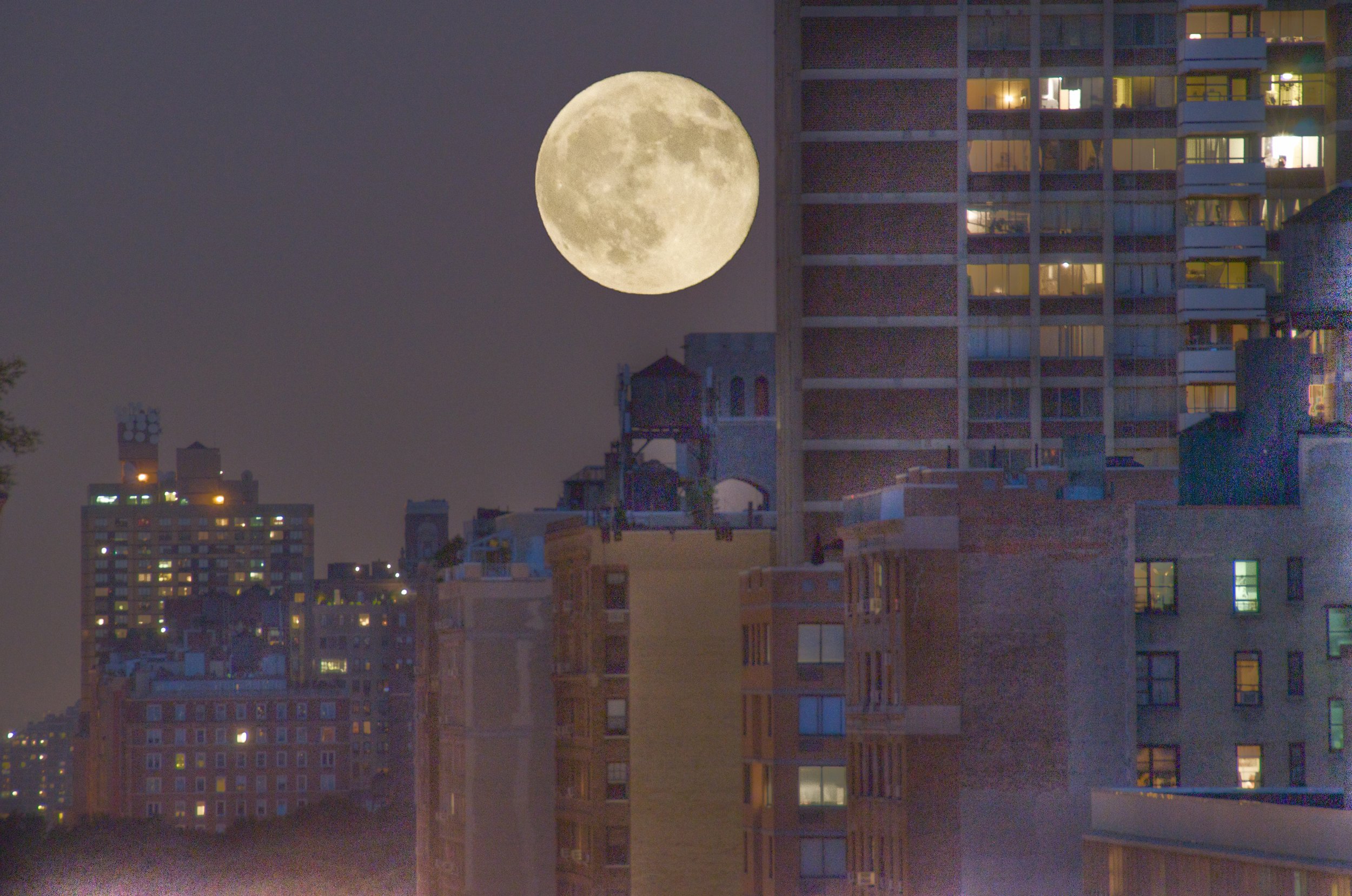
Why reconnect with imagination?

Your imagination is you, as ‘artist’.
Art can hold a mirror to society, illustrating universal truths that lift the veil and allow us to see ourselves and our experience as part of a wider whole.
A painting, poem, film, play, music or comedy can make a leap, making visible or visceral something we could not reach through explanation alone.
Artists transform experience into image, story, feeling and meaning. Your imagination can do the same for you.
We inherit cultural stories about who we are, how to be, how the world works and what is possible. We absorb culturally shaped ways of being so deeply that they can become invisible constraints.
Imagination can loosen their grip. It can reveal implicit assumptions and habitual ways of being shaped by our families, cultures and circumstances, and stretch us beyond the confines we have inherited.
Imagination draws straight from the land of symbol bringing your stories into view, helping you see the wood for the trees, and opening possibilities beyond what you have already encountered.
Exercise your imagination. Make the invisible visible.
Imagine beyond what you have inherited.
Experience what becomes possible.
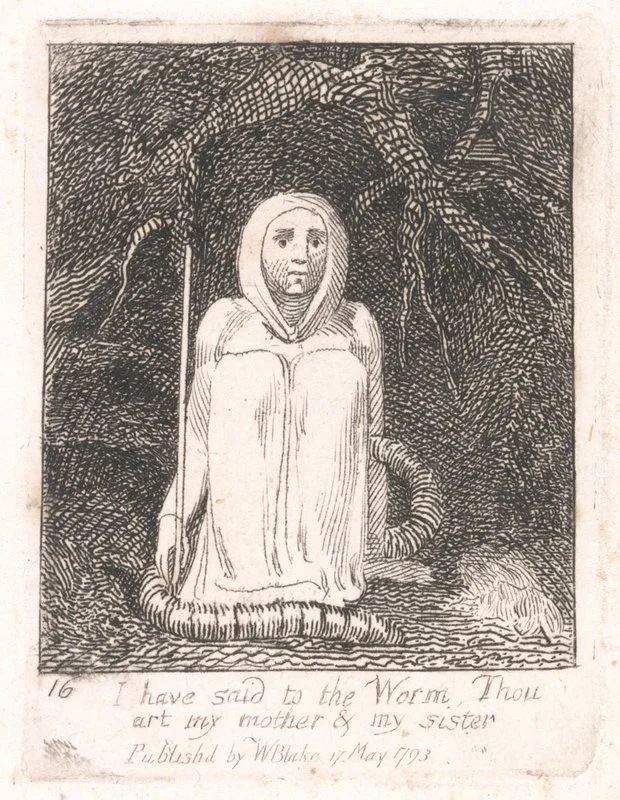
The imaginal: a wider tradition
My work is part of a wider imaginal tradition that sees imagination as a way of perceiving, knowing, creating relating and integral to transformation.
It is informed by psychological thinkers such as Carl Jung, Jacques Le Coq and James Hillman; by waking dreamer and Psychosynthesis teacher Allan Frater; by anthropologists like Alfred Gell, Viveiros de Casrtro and Roy Wagner, philosophers such as Bernardo Kastrup, Jeffrey Kripal, Iain McGilcrist, writers such as Patrick Harpur and Tom Cheetham and by transformational approaches developed by Leon Vandepol and Steven Levine.
I’m also inspired and shaped by the creative lineage of writers and poets like Ursula K Le Guin, Susan Cooper, Wordsworth and William Blake; by artists and filmmakers like Odilon Redon, Hilma af Klint and Guillermo del Toro; and by musicians and choreographers who work from imaginal states, like Björk, and Pina Bausch. Alongside mythic and ecological thinkers like Joseph Campbell, Rupert Sheldrake, and David Abram, these influences remind me that imagination is a door to perception and knowing.
These influences have encouraged my understanding of imagination as a way of encountering what is already there.
My approach is relational, intuitive, and secure in the belief that imagination is an integral part of our living ecosystem that shapes our connection with the world and each other.
